
The Plight of Bali's Street Dogs and How Animal Shelters Are Making a Difference
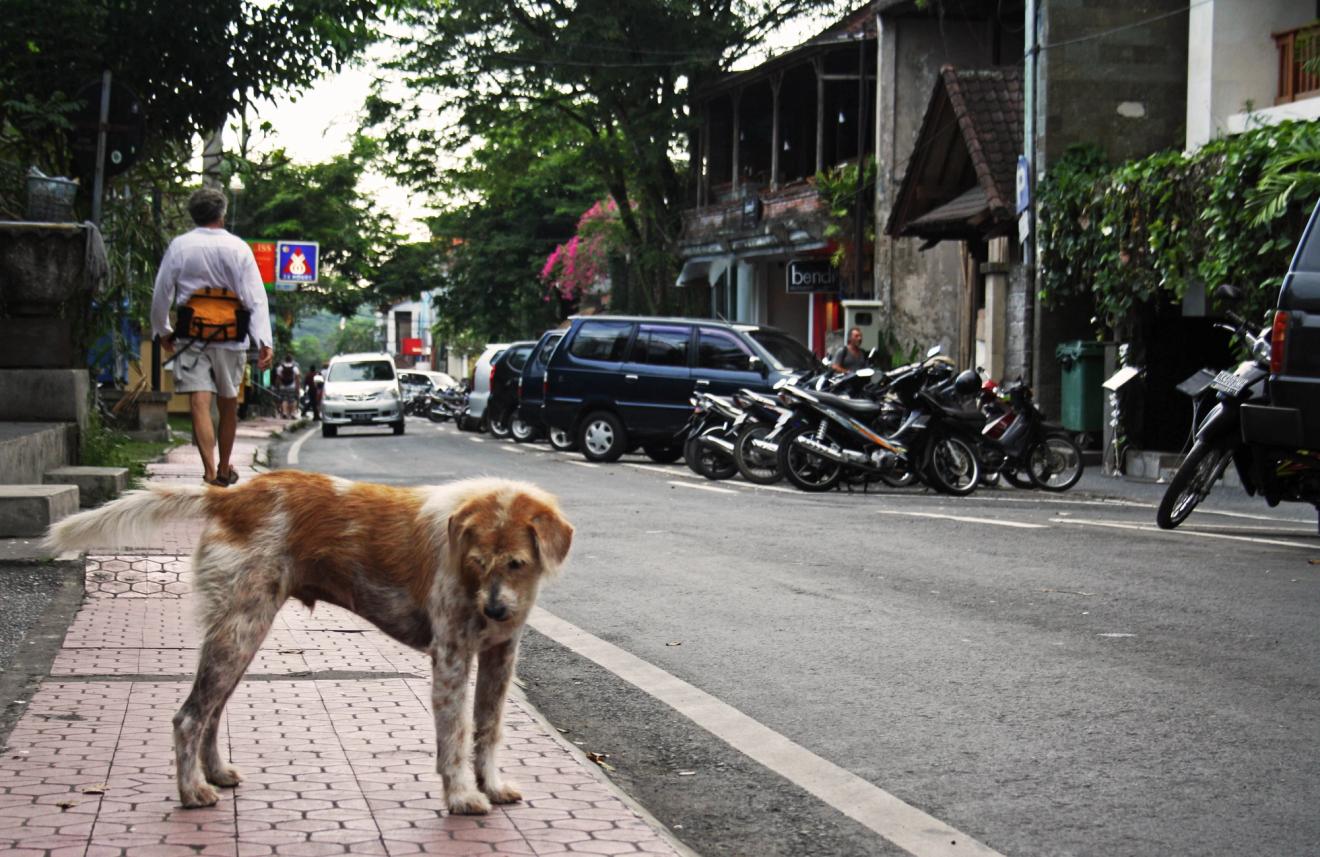
The tropical paradise of Bali is known for its stunning landscapes, rich culture, and warm hospitality. However, there lies a pressing animal welfare issue – the plight of Bali's street dogs. These free-roaming dogs face numerous challenges, including disease, malnutrition, and abuse. In this article, we'll explore the factors contributing to the street dog population in Bali and how local animal shelters, like our North Bali Animal Shelter, are making a difference in the lives of these animals.
The Challenges Facing Bali's Street Dogs
Bali's street dogs face a variety of challenges that threaten their health, well-being, and survival:
- Overpopulation: The street dog population in Bali has grown rapidly due to a lack of spaying and neutering efforts. This overpopulation leads to fierce competition for limited resources, such as food and shelter, contributing to malnutrition and disease.
- Disease: Street dogs in Bali are at high risk of contracting diseases, such as rabies, canine distemper, and parvovirus, due to a lack of vaccinations and proper medical care.
- Malnutrition: Many street dogs struggle to find enough food, leading to malnourishment and weakened immune systems, making them more susceptible to illness and injury.
- Abuse and Neglect: Sadly, some street dogs in Bali face mistreatment, abuse, or neglect from humans, leading to physical and emotional trauma.
How Animal Shelters Are Making a Difference
Animal shelters, like our North Bali Animal Shelter, are working tirelessly to improve the lives of Bali's street dogs through various initiatives:
- Rescue and Rehabilitation: Animal shelters rescue injured, sick, or abused street dogs and provide them with medical care, rehabilitation, and a safe environment to recover.
- Spay/Neuter Programs: By organizing and participating in community spay/neuter events, animal shelters help control the street dog population, reducing competition for resources and the spread of disease.
- Vaccination and Medical Care: Animal shelters provide essential vaccinations and medical care to the dogs they rescue, preventing the spread of diseases and improving their overall health.
- Adoption and Foster Care: Through adoption and foster care programs, animal shelters help find loving, permanent homes for rehabilitated street dogs, giving them a second chance at a happy life.
- Education and Outreach: Animal shelters work to raise awareness about responsible pet ownership, the importance of spaying and neutering, and the plight of street dogs in Bali. By educating the public, they help to create a more compassionate and responsible community.
How You Can Help
There are several ways you can support animal shelters in their efforts to improve the lives of Bali's street dogs:
- Adopt or Foster: Consider adopting or fostering a rescued street dog, providing them with a loving home and a chance at a better life.
- Donate: Support animal shelters with financial donations, supplies, or your time as a volunteer.
- Spread the Word: Share the work of animal shelters and the challenges faced by Bali's street dogs on social media, with friends and family, and in your community.
- Advocate: Speak up for the welfare of street dogs and support policies and initiatives that promote their well-being.
The plight of Bali's street dogs is a complex issue that requires the collective efforts of individuals, communities, and organizations like our North Bali Animal Shelter. By working together, we can make a difference in the lives of these animals, creating a brighter future for Bali's street dogs and the community as a whole.

One Kurnia Founder April 14